
Tiny plastic pellets, called “nurdles,” are being dumped into our waterways. The Fund is building support for PIRG’s campaign to reduce this waste and eliminate the pollution at its source.
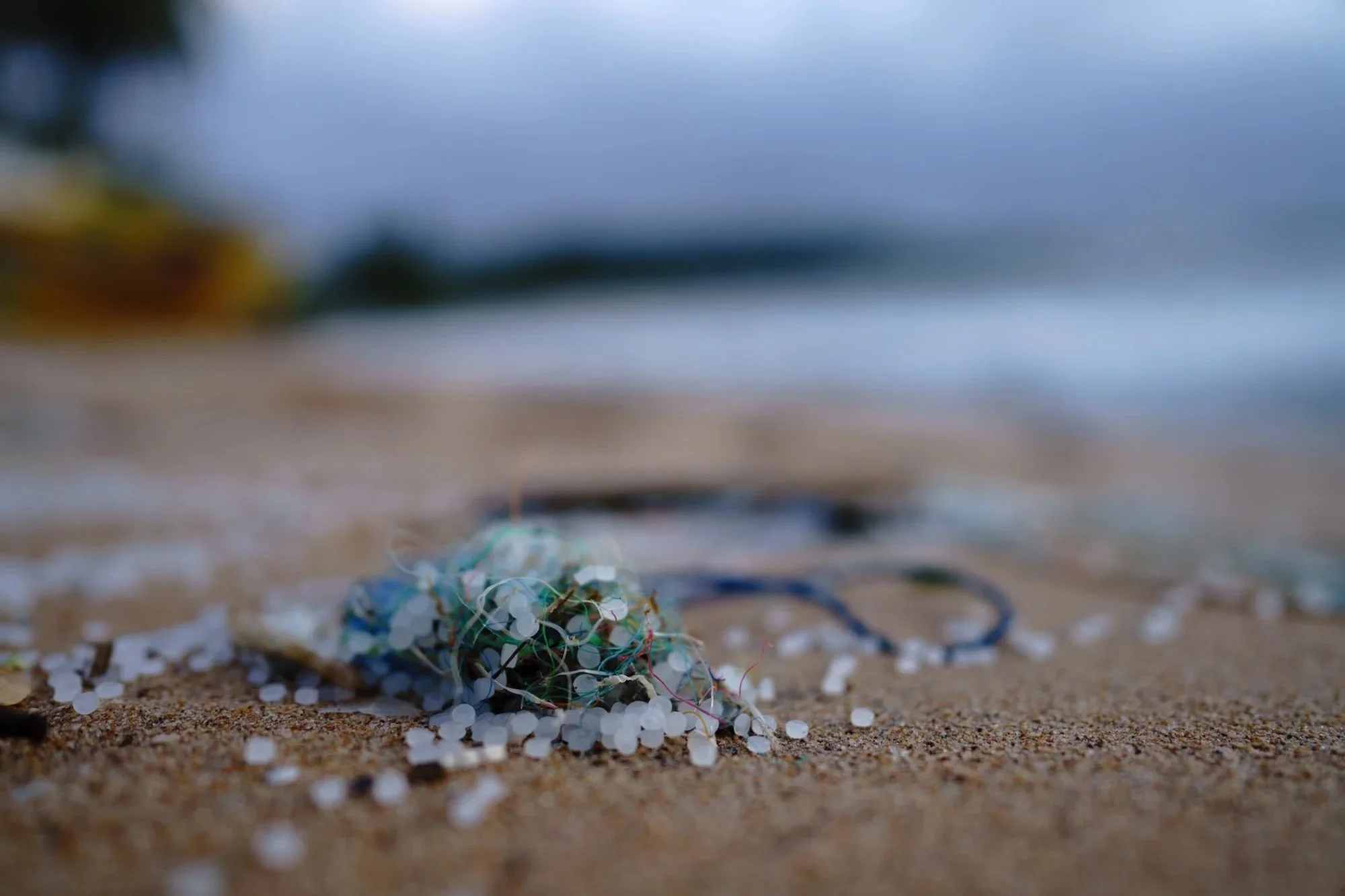
Credit: Soren Funk via Unsplash
They’re washing up on beaches, clogging waterways and harming aquatic life.
You may have never heard of them, but trillions of these lentil-sized plastics pellets, commonly known as nurdles, are entering our waterways every year.
What are nurdles, and why are so many in our waters?
Nurdles are the building blocks of modern plastic manufacturing. These tiny pellets are shipped all around the world to plastic facilities, where they are melted down and used to form many of the common plastic products you see everyday.
At these plastic factories, nurdles that fall on the floor, or get contaminated by dirt or other materials, are sometimes washed down drains. From there it’s just a quick trip through the drains and pipes before reaching local waterways and aquatic ecosystems.
Because they’re small, lightweight and shipped all over, nurdles can also spill during transport.
For instance, in 2023, a CSX train crashed near the Anacostia River in Maryland and countless pellets were released into the nearby environment. Just a few months later, three Norfolk Southern trains derailed and dumped the pellets they were transporting near the Lehigh River in Pennsylvania.
Exacerbating the issue, plastic pellets are extremely difficult to clean up once they reach our waterways, and often those responsible for the pollution are never held accountable.
For example, in 2020 Louisiana saw 743 million pellets spill from a container ship in the Port of New Orleans. It took weeks to begin clean-up while agencies and companies wasted time debating who was responsible. By the time clean-up efforts began, a local expert estimated that as many as 75% of the pellets had already been swept away downstream.
Nurdles are the second largest source of primary microplastic pollution globally
Ten trillion pellets are estimated to enter the ocean each year, making them the second-largest source of primary microplastic pollution in the world. Nurdles dot the beaches of Florida and Georgia and pile up on the shores of Oregon, South Carolina and Texas.
Inland waters are also at risk. One study looked at 66 beaches in the Great Lakes region and found that 60% of tested areas contained nurdle pollution.
Because nurdles can take anywhere from 100 to 1,000 years to break down, it’s likely that every plastic pellet that has ever been spilled or washed into our waters is still out there in some form or another.
To get a better understanding of the extent of this pollution, U.S. PIRG Education Fund partnered with other groups this spring to host the first-ever International Plastic Pellet Count, a citizen-science event highlighting the presence of this pollution across the globe.
You can check out the report here:
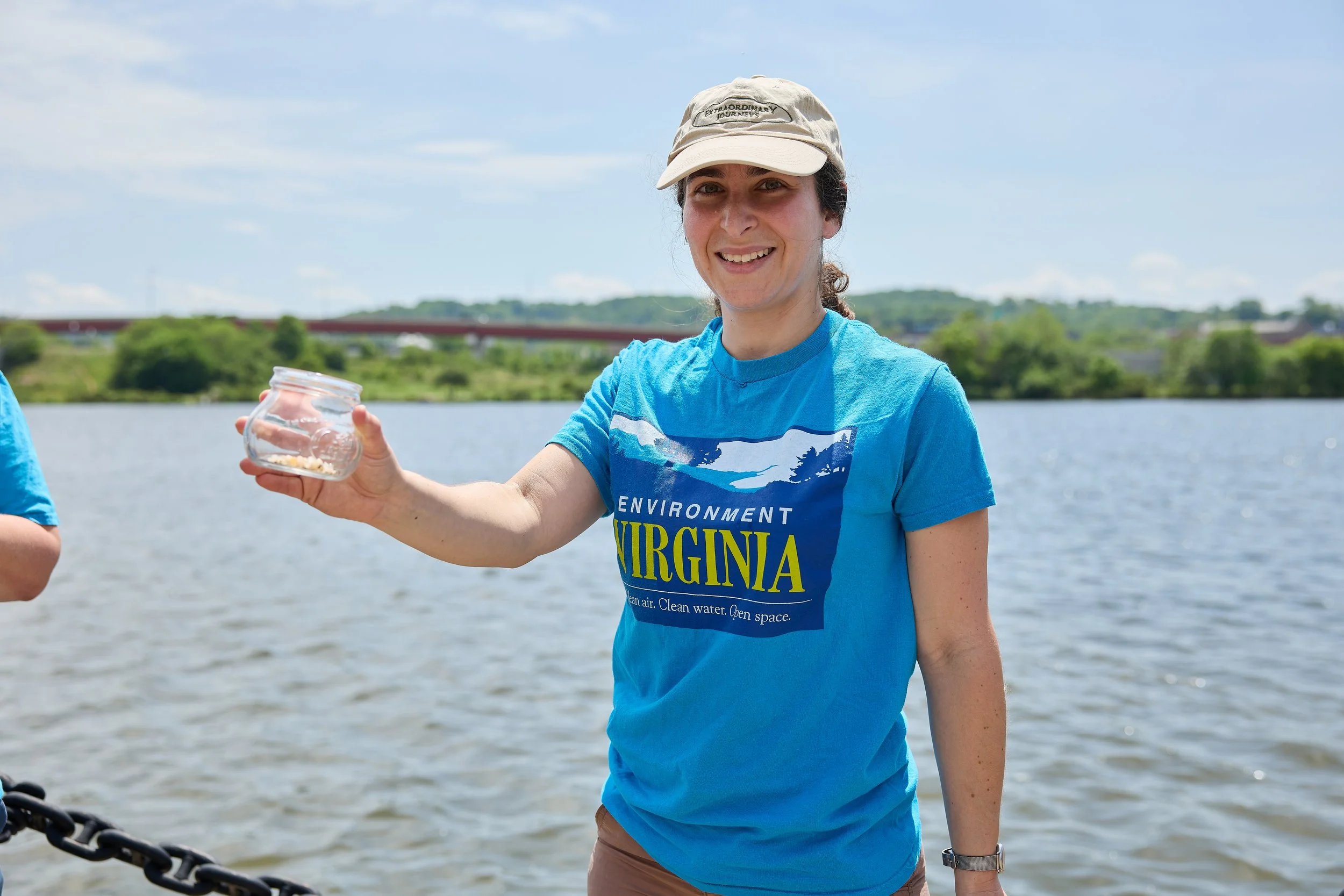
International Plastic Pellet Count Report
Nurdles are a toxic threat
But nurdles aren’t just tiny eye sores, once in the environment birds, fish and turtles can mistake these plastic pellets for food. If they eat enough, filling their stomachs, throats and mouths, they can even starve to death.
Pellets can also absorb toxic chemicals including DDT, PCBs, and mercury.
Many plastics and chemicals are produced from “hydrophobic” materials, meaning they repel water. Unfortunately, hydrophobic materials are also attracted to one another, meaning nurdles can actually adsorb (hold on their surface) nearby pollutants already present in the water.
These types of pollutants also bioaccumulate, meaning they become more concentrated and more toxic as they move up the food chain, eventually even reaching us.
If we eat an animal or fish that has ingested nurdles, both the plastic and toxic chemicals from that plastic may end up in our system. Microplastics, and the chemicals they carry, have already been found throughout the human body, with potential health impacts ranging from chronic inflammation, to heart disease and possibly cancer.
Our existing clean water laws don’t do enough to stop plastic pellet pollution
The Clean Water Act is supposed to stop companies from dumping pollution into our rivers, but the rules regarding plastic pellets are outdated and often not enforced.
For instance, for years Formosa Plastics in Texas released countless of nurdles from their factory near Lavaca Bay, leading to a lawsuit by the San Antonio Bay Estuarine Waterkeeper.
Without stronger, proper enforcement trillions, of these pellets will continue to be dumped into our waterways, environment and ecosystems every year.

An International Plastic Pellet Count volunteer kneels to inspect some nurdles. Credit: Athel Rogers Photography
Our waters should be free from microplastic
Companies shouldn’t be allowed to dump or spill plastic into our waterways with impunity. From bills to lawsuits and public awareness campaigns, we’re working to reduce plastic pellet pollution at its source.
Public Outreach: We are organizing and supporting public outreach and citizen-science efforts, including the first-ever International Plastic Pellet Count. Organized by U.S. PIRG Education Fund and our partners, the event drew volunteers at 200 different sites across the globe comb beaches, lakeshores and riverbanks gathering tens of thousands of these pellets. The count helped spotlight just how widespread, yet often unseen, nudle pollution is both in America, and across the globe.
Holding Polluters Accountable: Aside from public outreach, PIRG and our allies are also working to hold polluters accountable through litigation. For instance, in December 2023, our partners at PennEnvironment, alongside Three Rivers Waterkeeper, sued BVPV Styrenics LLC and its parent company, Styropek USA, Inc., for alleged violations of the federal Clean Water Act involving illegal discharges of plastics from their plastic manufacturing facility in Monaca, Pennsylvania.
The facility is located just about 20 miles downstream from Pittsburgh and produces as much as 123,000 tons of nurdles each and every year. This lawsuit, and its enforcement, marks a big win for the health of the Ohio River and the countless life that relies upon it.
Working toward legislation: California is currently the only state to have taken some steps to limit and address this unseen form of plastic pollution. However, both Texas and South Carolina proposed plastic pellet enforcement, although they were not passed in either state.
PIRG’s national network of state groups will continue supporting and creating momentum for local and state laws or rules to limit nurdle pollution.
But we can’t organize clean-ups, conduct studies and help pass pollution laws without your help. If you would like to support our efforts to reduce plastic pollution, from nurdles to single-use packaging, consider making a donation to PIRG today to support this work.
