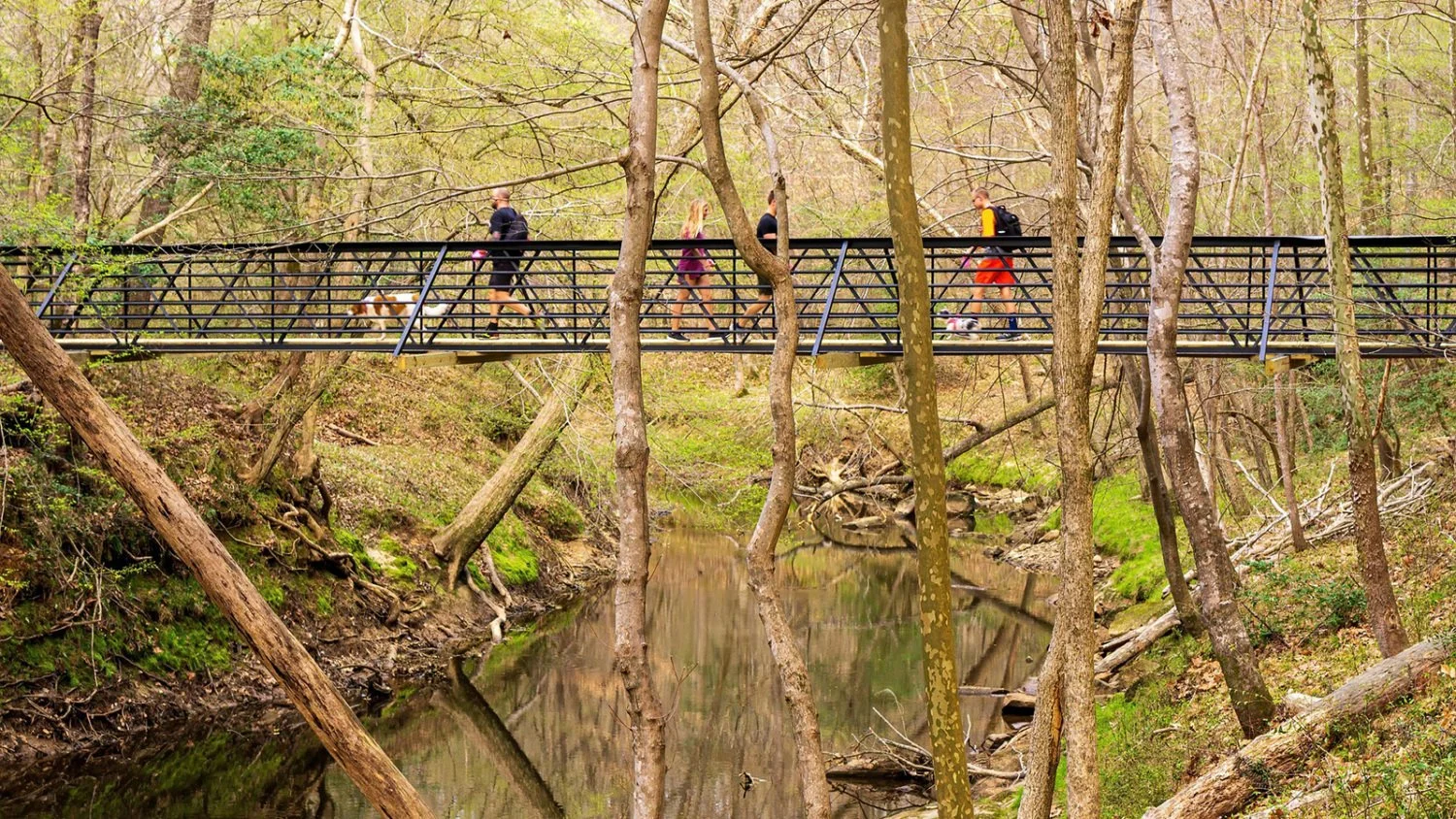
Hikers in William B. Umstead State Park, North Carolina. Credit: Pixabay | Pixabay.com
Think about the last time you got outside. Maybe it was a hike with friends, a weekend at a campground with family or a quiet morning watching the leaves change as a deer stepped out of the trees. Odds are, it happened in a park.
Americans love our parks. In 2024, people visited national parks more than 300 million times. State parks are even busier — they drew an estimated 867 million visits in 2023, about 60 million more than just six years earlier. These are the places we go to step away from our busy, screen-filled lives and reconnect with the natural world — and where wildlife find refuge.
Our parks are in trouble
America’s state and national parks are more popular than ever, but they are also slowly falling apart.
No one wants to drive a crumbling road to a neglected campground, find the trail they planned to hike closed or pass overflowing trash cans on the way to a scenic overlook. Yet that’s the reality at a growing number of parks, because the funds to maintain them have not kept up with the crowds.
The numbers are staggering. The National Park Service is facing a maintenance backlog of nearly $23 billion — a mountain of deferred repairs to roads, trails, water systems and campgrounds. State parks are in the same bind and there, the problem is growing fast. A recent Environment America Research & Policy Center report found that the nationwide state-park maintenance backlog more than doubled in just three years, from $6.5 billion in 2021 to $15.9 billion in 2024. Individual states owe anywhere from $40 million to nearly $1.3 billion in overdue repairs.
Many of these parks were built for a different era, when far fewer people visited. Decades of underinvestment, combined with record crowds, have left trails, roads, facilities and wildlife habitats in serious need of repair. And some of that backlog includes critical fixes that, left undone, put visitor safety and the health of the parks themselves at risk.
Even as visitation breaks records, the National Park Service headed into this summer with fewer staff than it’s had in two decades, after losing nearly 25% of its permanent workforce to mass terminations, early retirements, reorganizing and deferred resignations. Fewer rangers and maintenance workers means longer closures, slower repairs and a growing backlog.
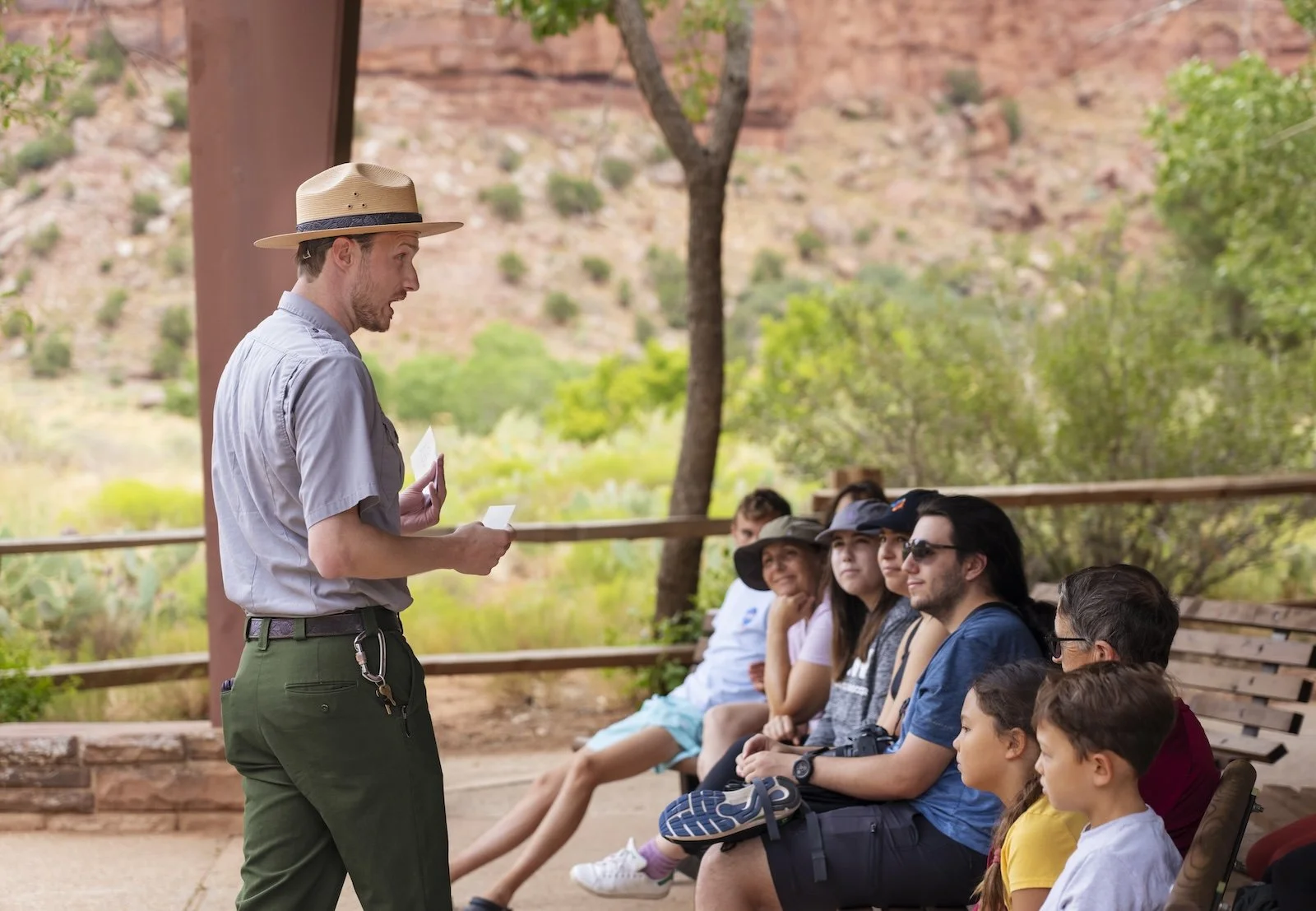
A park ranger at Zion National Park. Credit: National Park Service, Public Domain
Parks are more than just vacation spots
It’s easy to think of a maintenance backlog as a mere inconvenience — a closed bathroom here, a rough road there. But our parks do far more than give us a nice place to spend a Saturday.
Parks protect critical habitat for wildlife, filter the water we drink and clean the air we breathe. They are some of the last large, connected natural spaces left as development spreads. And that open space is vanishing fast. America loses natural land at a rate of roughly two football fields every minute.
State parks alone support around a third of all nature-based recreation in the country — more than 2 billion hours every year. And all that time outside pays off. Access to nature is linked to lower blood pressure, reduced risk of heart disease, less stress and depression and sharper thinking. For many families, a nearby state park is the most affordable way to find it.
Parks protect us in less obvious ways too. Natural lands buffer communities against floods, erosion and extreme weather. In Florida, mangroves (many of them protected within Florida’s state park system) prevented an estimated 8,000 acres of storm-surge flooding during Hurricane Irma in 2017, sparing about $1.5 billion in property damage. Every closed trail and neglected campground chips away at resources like these.
This is fixable
As daunting as a multi-billion-dollar backlog sounds, in many states it works out to just a few dollars per resident per month. The analysts who studied the state park backlog found that modest, steady investment, paired with dedicated protected funding that can’t be raided when budgets get tight, is enough to turn things around in most places.
We don’t have to choose between responsible budgets and beautiful parks. We just have to decide our parks are worth a small, reliable investment.
Protecting our parks starts with making sure the people who fund them — in our state capitals and in Washington, D.C. — hear how much we care.
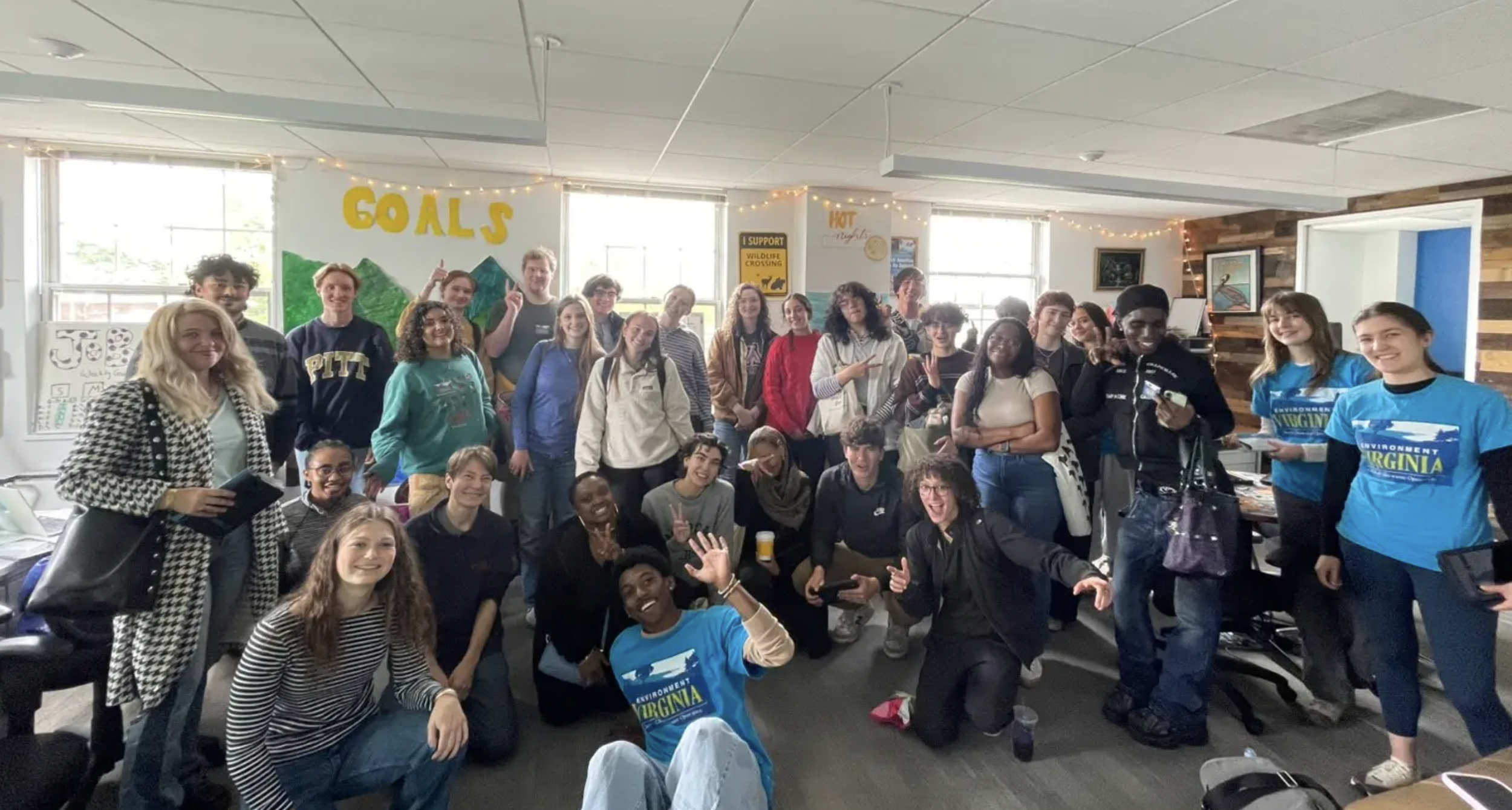
Summer canvassers at Environment Virginia. Credit: Staff
That’s why this summer, we’re knocking on doors and talking with people in communities across Michigan, Washington, Virginia and California, getting neighbors involved. We’ll be gathering petition signatures, making phone calls and meeting with lawmakers to make the case that our parks deserve real, lasting investment.
If enough of us speak up, our leaders can act to protect these places for the people and the wildlife that depend on them.
Take action
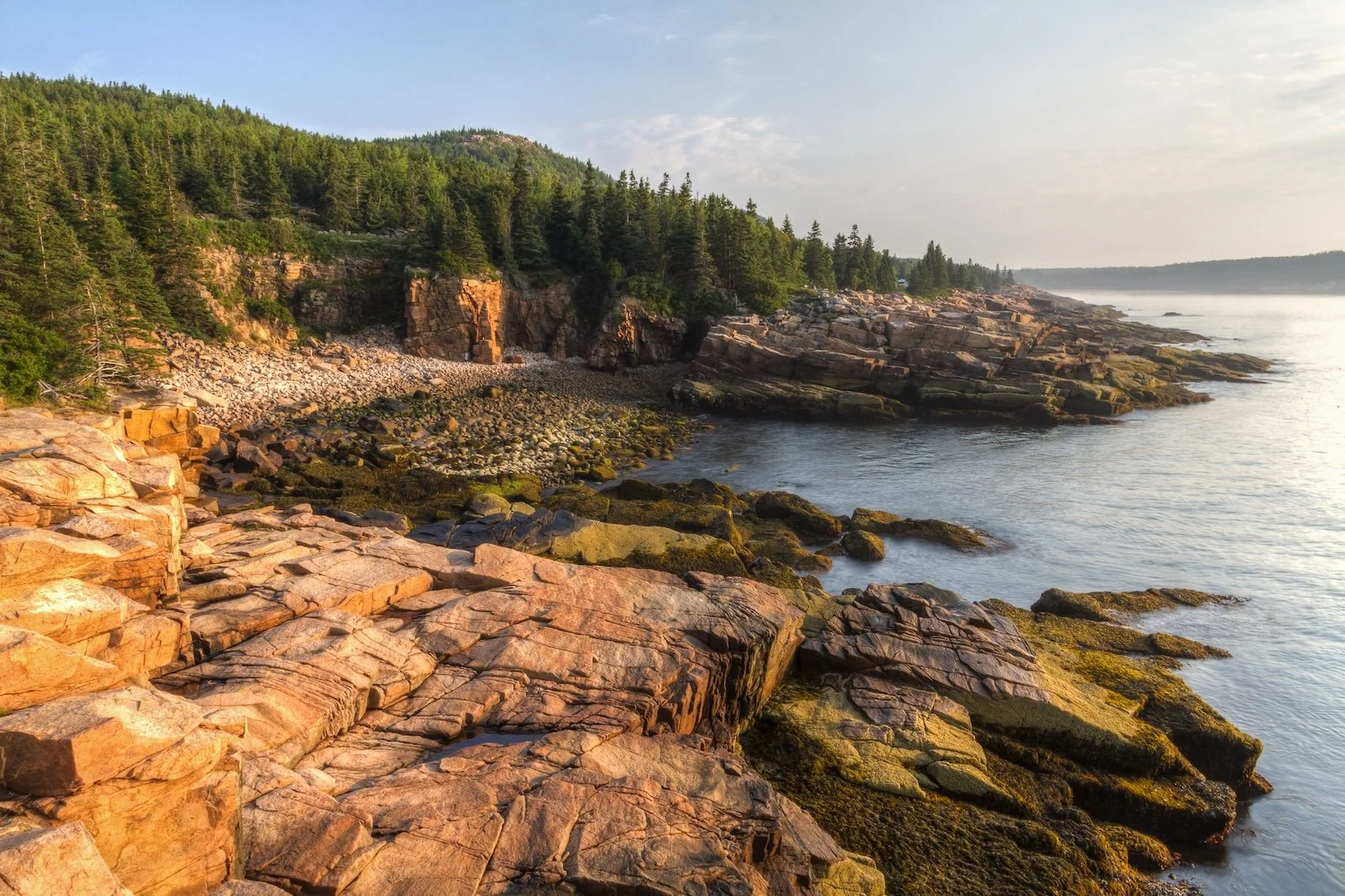
Monument Cove in Acadia National Park. Credit: Colin D. Young via Shutterstock