
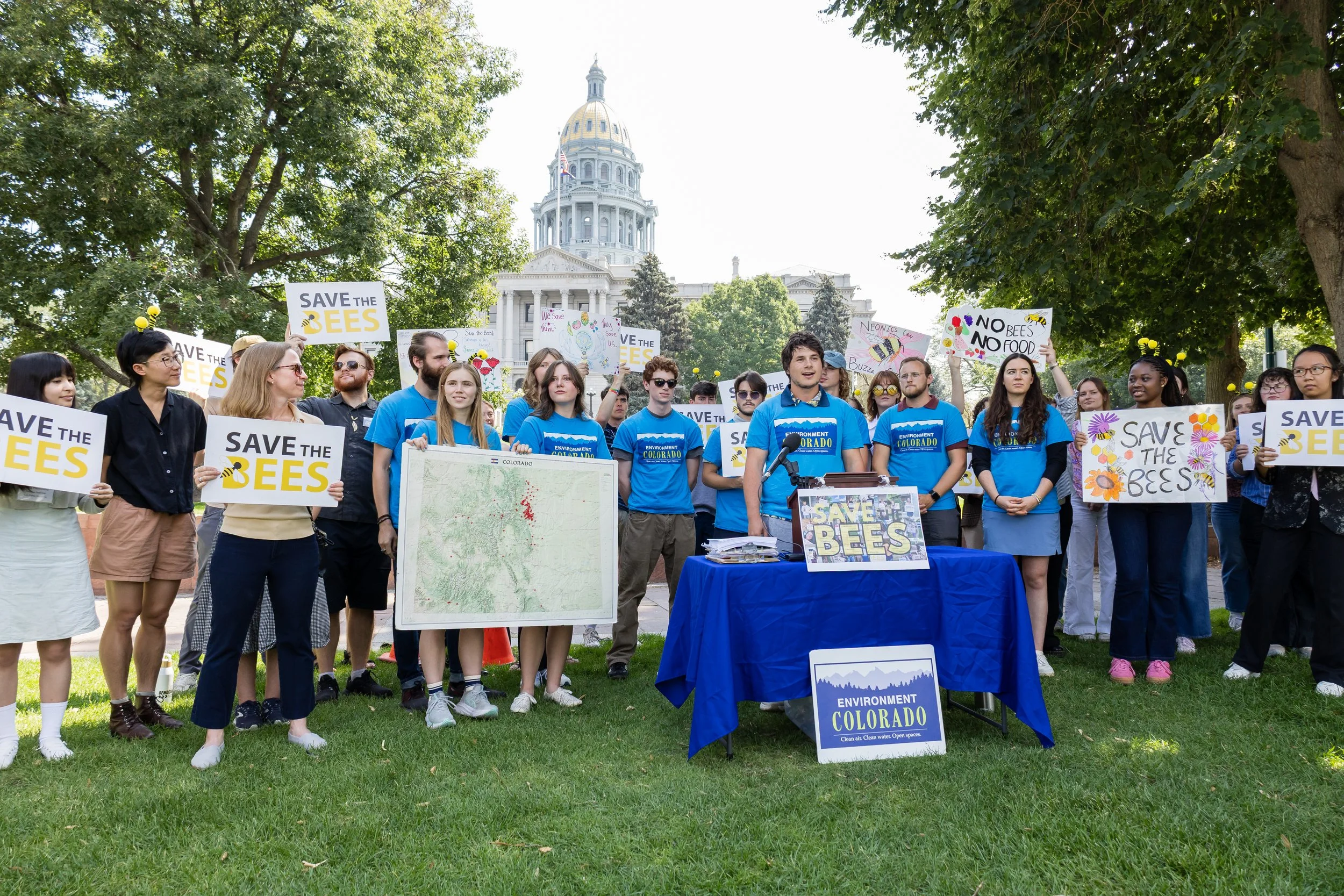
Welcome to our team
We’re excited to work with you. Here are some things for you to check out as you get ready to join our staff:
Learn more about us
Meet some of our leadership team
Read about one of our recent campaign highlights
Preview our training program in your first year
Suggested readings before you start
Learn more about The Public Interest Network
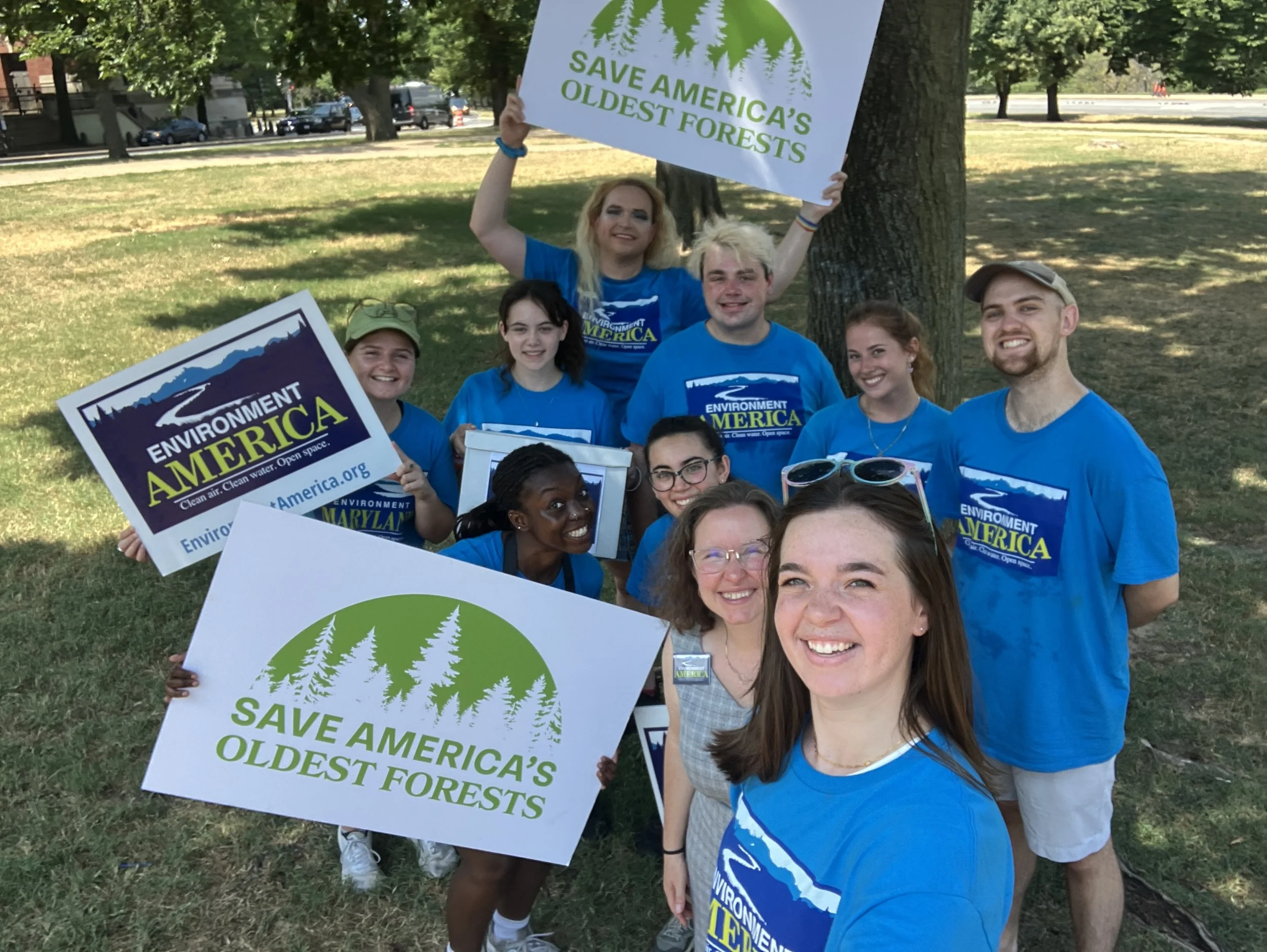
Fund for the Public Interest is a national nonprofit that partners with America’s leading organizations to tackle some of the most important problems facing our country.
The Fund works to ensure we have clean air to breathe, clean water to drink, that we preserve our remaining wildlife and wild places, and eliminate the single-use plastic polluting our oceans and trashing our communities. Our mission is to build public support around solutions to those problems and more.
The Fund partners with America’s leading environmental and public interest groups. We’ve raised over $700 million, run hundreds of campaigns, operated in all 50 states and mobilized millions of people from all walks of life. We build people power through one-on-one, face-to-face conversations on America’s front doorsteps. Generating the kind of support that lasts longer than a news cycle goes deeper than an online petition and lasts for years, often decades. That’s the kind of support it takes to tackle America’s toughest problems and get real results.

10 reasons why working for the Fund is for you
Meet our staff
Here are some of the people who lead our work.
-

Emily Reid
National Canvass Director
Emily directs Fund for the Public Interest’s canvass operations, running year-round campaigns to educate millions of people about environmental and consumer protection issues, build membership and mobilize citizens to influence public policy decisions. Emily lives in Amherst, Massachusetts, but is often traveling, rock climbing and camping elsewhere.
-

Paloma Paez-Coombe
Regional Director
Paloma oversees our field offices and works closely with canvass directors to run local campaigns on environmental and public interest issues. Paloma lives in Minneapolis, where she loves to cook, garden and explore nearby forest preserves.
-
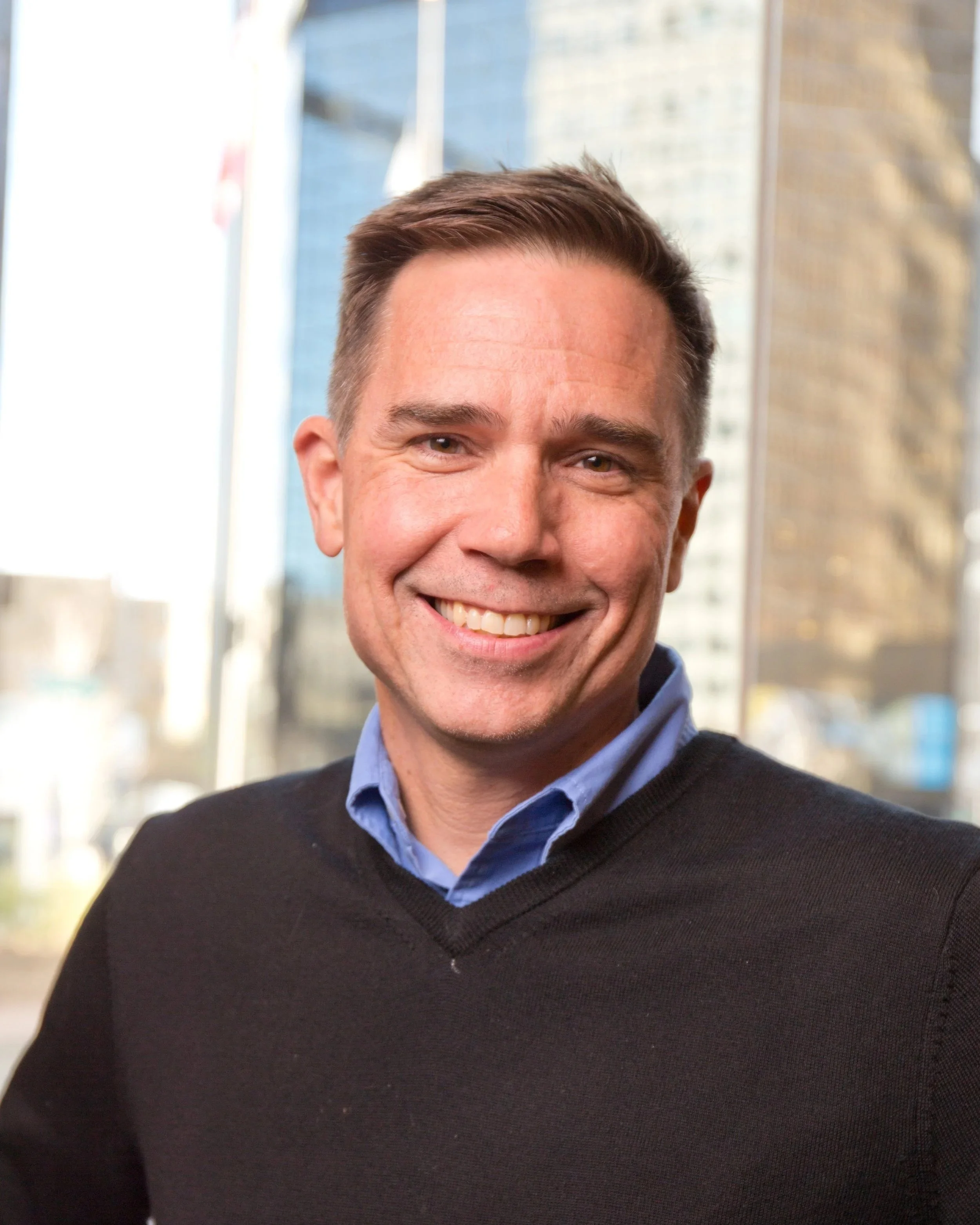
Doug Casler
Vice President and Director of Outreach and Civic Engagement, The Public Interest Network
Doug directs the operations of The Public Interest Network’s work to engage citizens through in-person, telephone and mail contact. Doug grew up in Delaware and now lives in Denver, where he enjoys running, reading, eating, skiing, watching baseball and spending time with his family.
-
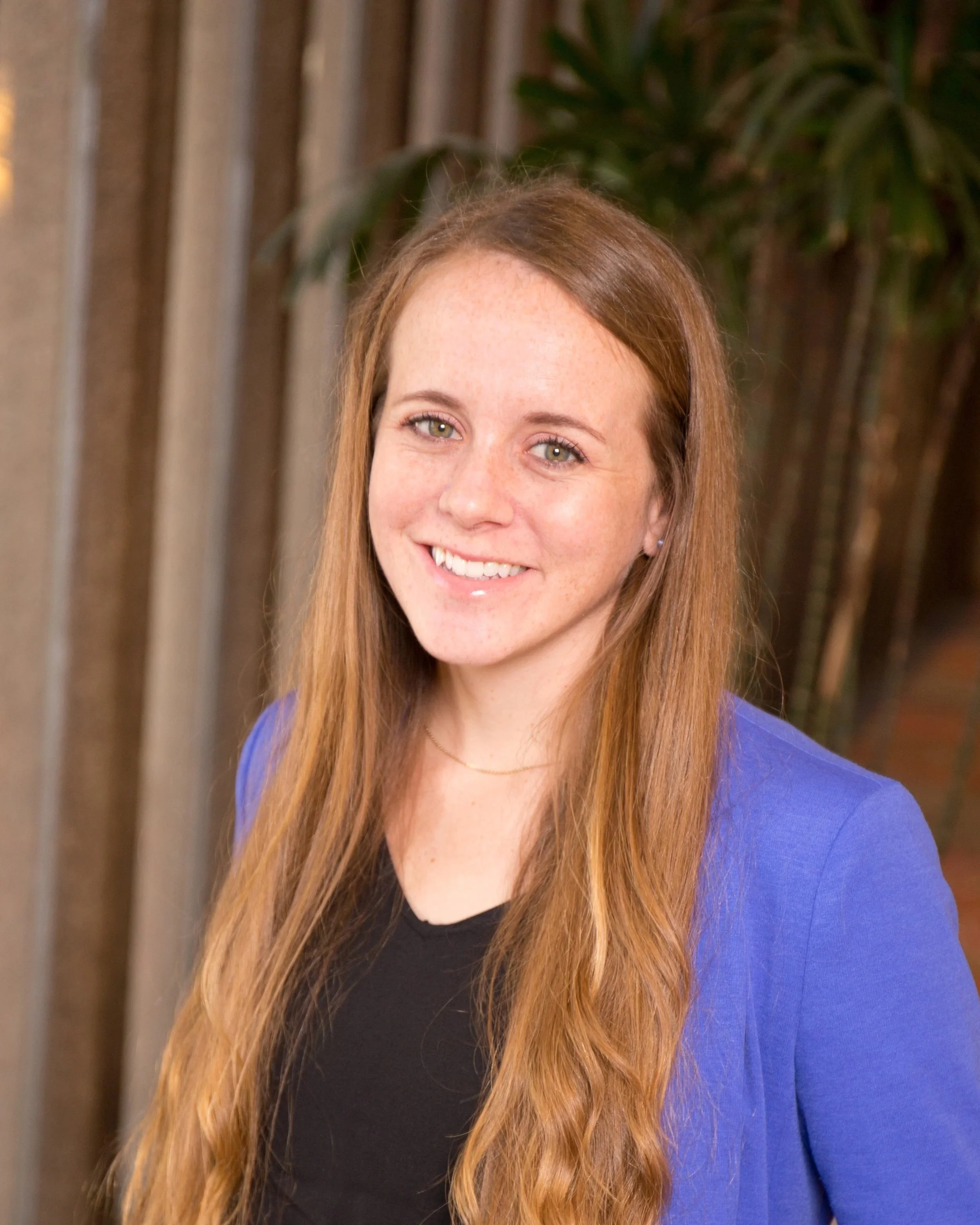
Danielle Bauer
Recruitment Director
Danielle oversees both the full-time recruitment and national summer staffing departments for Fund for the Public Interest. She has overseen eight years of summer staffing recruitment, which hired more than 27,000 summer canvass staff who fundraised over $11 million in four summer canvass seasons. Danielle lives in Denver, where she enjoys running, camping, hiking and cooking vegan food.
-

Rhiannon Singletary
Lists Director
Rhiannon directs the operations of The Public Interest Network’s membership database and lists department, overseeing the work to keep track of the people who support us and reporting and analysis to drive improvements in our overall work with members. Rhiannon lives in Lakewood, Colorado, with her family where she enjoys cooking, reading and hiking.
-

Greg Orr
Regional Director
Greg oversees our field offices with Fund for the Public Interest and works closely with canvass directors to run campaigns on environmental and public interest issues. Greg lives in Denver, where he enjoys going on hikes with his dog Petra, playing boardgames and cooking.
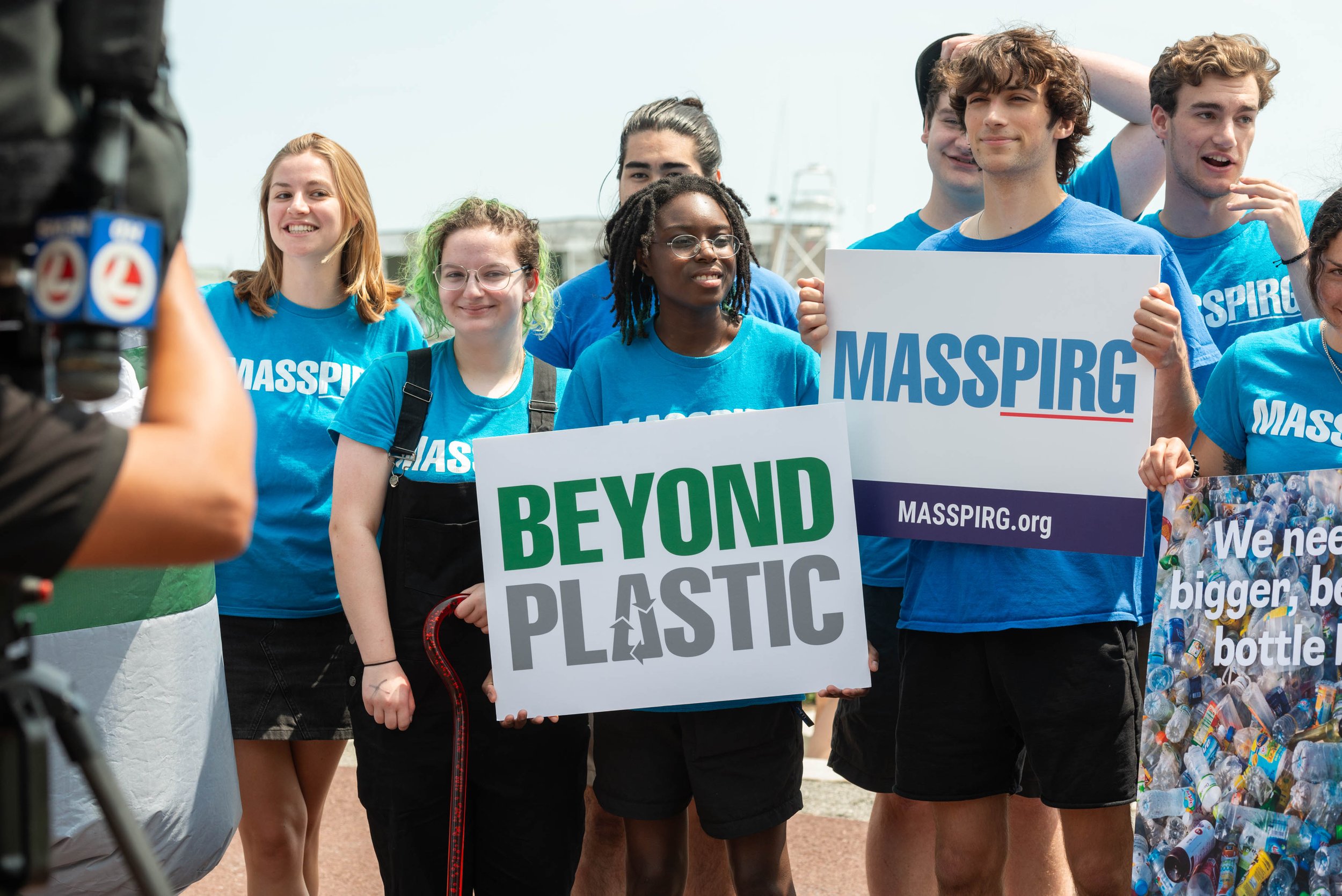
Campaign highlight: Moving our country beyond plastic with PIRG
Each year, an estimated 16.5 million tons of plastic waste enter our oceans worldwide, much of it used just once before being thrown away. The best way to reduce plastic waste is to stop using the plastic items we don’t need — but the companies that should be leading the way aren’t doing enough. So, the Fund has been helping PIRG build consumer support around this issue through canvassing.
Amazon is the world’s largest online retailer and generates more than 208 million tons of plastic waste every year, much of it unrecyclable and therefore bound for landfills or our waterways and oceans. That’s why in 2023, PIRG and its allies delivered over 138,000 petition signatures calling on Amazon to eliminate wasteful plastic packaging from its shipments.
And it appears that the company listened. Amazon committed to phase out plastic air pillows from all North American shipments by the end of 2024 — eliminating 15 billion plastic air pillows per year.
But there’s still more work to do. Now we’re urging Amazon to set a hard deadline for its transition away from all plastic packaging waste.
Training: Curriculum for staff in year one
Staff in their first year take part in four major “classroom” trainings, plus additional trainings on specific skills and topics with their team throughout the year. In addition, staff learn about the history of The Public Interest Network and the work of their organization or department.
-
Social Change 100 is an introductory classroom training which introduces our approach to political organizing and campaigning, the issues we work on, and trains staff on skills related to organizing and social change. Many staff in their first year attend this training in August or September, and we offer it one other time for staff that start at other points during the year.
Topics covered include an introduction to the issues The Public Interest Network works on and priority campaigns for the year; the fundamentals of political organizing and creating a campaign for change; and initial practice with key skills, including telling your campaign story, working with media, public speaking, advocacy writing, fundraising and activating supporters.
Sessions generally include a large group lecture or facilitated dialogue, coupled with small group breakout discussions or practice.
-
Social Change 101 is a second introductory classroom training organized around staff’s specific job descriptions. It is offered in the fall and on an as-needed basis for staff who start throughout the year.
Social Change 101 for canvass directors trains staff on the key elements of running a canvass office. Topics include: fundraising from individuals, building and managing a campaign office, recruiting and training a paid staff of canvassers, engaging supporters in campaign actions, and effective grassroots communications.
-
Social Change 102 is a continuation of topics covered in Social Change 100 and 101, and staff are typically invited to attend this training in December of their first year.
Social Change 102 is a classroom training that builds off of concepts covered in previous trainings and delves deeper into the theory and practice of social change that guides The Public Interest Network’s model of advocacy, organizing and activism.
-
In April, most staff in their first year take Social Change 103: Canvass director training, a week-long classroom training that prepares staff to run a door-to-door citizen-outreach canvass office over the summer or provide backup to our canvass offices. This training prepares staff for the specifics of their summer assignment while also teaching long-term skills for effective social change organizing, including recruiting and managing staff, canvassing and fundraising from individuals, managing the administrative aspects of a canvass office, and generating activist support for your campaign.
-
All staff receive ongoing training from their staff directors and other experienced trainers. The hands-on training that staff receive during their day-to-day jobs builds on the classroom training.
Most year-one staff have daily interactions with senior staff in which they receive training and feedback. All staff will meet with their staff director at least once per week and have an evaluation three times per year in their first year, and once per year after their first year.
Suggested readings
First, please re-read our organizational mission and core values statement — also known as the “Things to know when you apply” piece.
Then, we hope you’ll take time to read these 10 pieces before your first day. These readings are optional, but encouraged; they provide important context about The Public Interest Network’s organizational values; current work; political, philosophical, and economic underpinnings; and our approach to social change. We don’t endorse all of the language that’s used in these readings or even all of the points in every post, but together these pieces provide meaningful context.
You can find the readings below at this link.
-
In this excerpt from his 2007 book “Deep Economy: The Wealth of Communities and the Durable Future,” McKibben challenges centuries of economic theory and practice by arguing that economic growth no longer makes us better off. Read more.
-
In her 2018 TED Talk, this Oxford economist envisions economies that are regenerative and distributive and work within ecological limits. Read more.
-
In a chapter from his 1952 book “The Affluent Society,” Galbraith argues that by the 1950s, advertising had convinced most Americans to conflate “wants” and “needs,” driving up consumer demand for more stuff. Read more.
-
In this short excerpt from his presidential campaign speech, Kennedy critiques the Gross Domestic Product as a measure of progress and wellbeing. Read more.
-
Seven graphs that show progress made in supplying basic necessities and improving the quality of life for people around the world. Read more.
-
Four charts that show the damage inflicted on our environment by all that progress. Read more.
-
A 2016 piece by Doug Phelps, President and Executive Director of The Public Interest Network. Read more.
-
One chapter from Loeb’s 1999 book, featuring case studies in the power of organizing and the varied, and often unexpected ways that organizers make a difference. Read more.
-
Andre Delattre, Senior Vice President of The Public Interest Network, reflects on our organizational strategy for organizing Americans to support environmental and consumer protections in the current political atmosphere. Read more.
-
This is an excerpt from a longer article reminding us that people on either end of the political spectrum may often be tempted to ask “what’s wrong with these people.” Tamerius’s piece is written for people who didn’t vote for Trump, but a comparable piece could be written to help those who voted for Trump understand other voters. She urges us to “let go of the fantasy that the world is divided into good people and bad people” and to instead focus on connecting with our fellow citizens. Read more.
We’re part of a network
Fund for the Public Interest is part of The Public Interest Network, which operates and supports organizations committed to a shared vision of a better world and a strategic approach to social change, including PIRG, Environment America, the National Environmental Law Center and others.
Our work focuses on the problems that arise from America’s single-minded pursuit of endless economic growth: We’re still burning fossil fuels even though it’s changing the climate. We keep giving antibiotics to healthy livestock, even though it leads to “superbugs” that are antibiotic-resistant. We use plastic products for a few minutes only to throw them away so they pollute the oceans for centuries.
In all of these campaigns, we’re challenging our country to stop tolerating problems that make no sense in today’s world of incredible technology and abundance. And we’re using research, advocacy and organizing to make a positive difference right now in people’s lives.
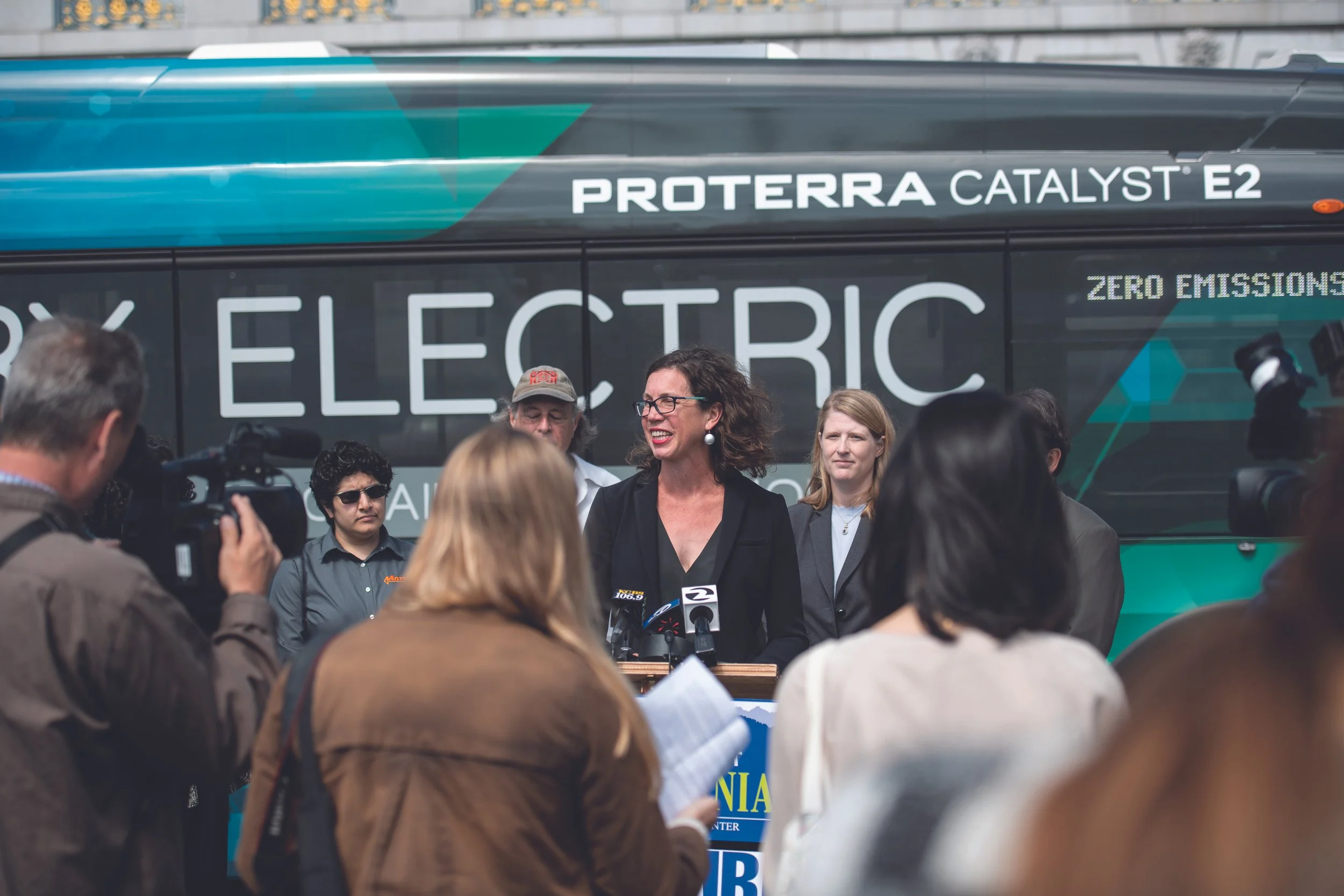
Emily Rusch, director of state offices for The Public Interest Network, calling for the transition to electric bus fleets. Photo by Ricky Mackie.